When I first began to store food without plastic, I discovered how simple swaps can reduce so much unnecessary packaging and waste. By bringing my own reusable bags to the shop and selecting products in bulk stores, I realized I had plenty of options to make this shift easier.
From choosing fresh produce without extra wrapping to finding a fantastic option for every need, the journey toward a plastic-free kitchen felt more like a thoughtful choice than a sacrifice.
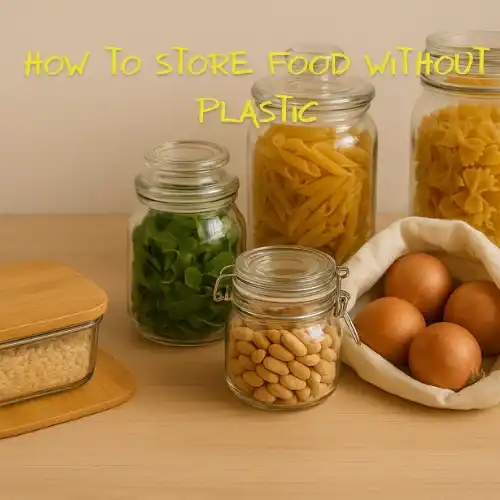
At home, I now use glass containers to store food without plastic, whether it’s leftovers, freezing meals, and packing lunches instead of relying on clingwrap, glad wrap, or zip-lock bags. It’s surprising how many options are possible when we look for better ways to store food without plastic.
By simply choosing wisely, we can avoid extra waste and turn everyday shopping habits into sustainable practices. This is the real lowdown with a little effort, it’s easier than ever to make eco-friendly choices that last.
Why Avoid Plastic for Food Preservation?
I used to store leftovers in plastic wrap without thinking twice it felt quick and convenient. But over time, I realized that plastic convenience comes with a hidden cost. Plastic doesn’t break down easily, and most of it ends up polluting our oceans, harming marine life, and adding to our planet’s growing waste problem.
Switching away from plastic isn’t just an eco trend it’s a meaningful lifestyle shift. Choosing natural, reusable alternatives helps you protect your food and the world around you.
Here’s why avoiding plastic really matters:
- It never truly disappears: Plastic can take hundreds of years to decompose, lingering in landfills and oceans.
- It harms marine life: Millions of tons of discarded plastic end up in waterways each year, endangering fish, birds, and sea animals.
- It impacts your health: Some plastics can leach chemicals into food, especially when heated.
- Eco alternatives work better: Glass, cloth, and stainless steel keep food just as fresh without the environmental burden.
- Every small switch counts: To store food without plastic, you’re helping create a cleaner, safer future for generations to come.
To store food without plastic isn’t about perfection it’s about progress. Every meal stored sustainably is one less piece of waste hurting our planet.
How to Properly Preserve or store Food Without Plastic
Glass Containers: The Classic Hero
Switching from plastic to glass is one of the easiest, most effective ways to cut down on waste. It’s a change that feels good every time you open your fridge practical, sustainable, and effortlessly stylish.
Here’s why glass containers are worth the switch:
- Locks in freshness: Tight-fitting lids keep your meals crisp and flavorful without trapping odors.
- Microwave and oven safe: Reheat your food directly no need to transfer to another dish.
- Visually clean and organized: Rows of colorful leftovers in sturdy glass jars look neat and inspiring.
- Supports the planet: Glass is endlessly recyclable and free from harmful chemicals.
- Durable and reusable: Unlike flimsy plastic boxes, glass stands the test of time.
- Peace of mind: You’re not just storing food you’re making a mindful, eco-conscious choice ever
Tote and foldable bags
Sometimes, the most impactful eco changes come from the simplest swaps. Reusable tote and foldable bags are perfect for anyone looking to reduce plastic waste only by store food without plastic while keeping things practical and even fashionable.
Here’s why they’re a smart choice for plastic-free living:
- Perfect for grocery runs: Lightweight and foldable, they fit easily into your bag or car so you’re always prepared.
- Durable & long-lasting: A well-made cloth tote can handle years of use, saving countless disposable bags from landfills.
- Saves resources: Using one reusable bag multiple times reduces both plastic waste and the water footprint tied to single-use production.
- Fashion meets function: Available in bold prints or minimalist styles, they can double as trendy accessories.
- Easy to maintain: Just wash occasionally and store neatly clean bags last longer and stay hygienic for food shopping.
- Encourages mindful habits: Keeping them handy turns every grocery trip into a small act of sustainability.
Reusable containers
Bringing your own containers might seem like a small act, but it makes a big impact in cutting down plastic waste. It’s a habit that saves resources, keeps food fresher, and shows mindful respect for the planet.
Here’s why reusable containers are worth making part of your routine:
- Reduces single-use waste: Using your own boxes prevents unnecessary plastic packaging every time you shop.
- Supports zero-waste habits: Glass or stainless-steel containers are durable, easy to clean, and long-lasting.
- Store-friendly practice: Most grocery staff are happy to fill clean, sanitized containers directly no extra wrapping needed.
- Keeps food safe and fresh: Airtight lids help maintain freshness and prevent spills during transport.
- Makes checkout easier: Transparent or translucent containers let staff see the contents clearly, saving time at the counter.
- Eco-respect in action: Every refill and reuse adds up, showing care for both the store and the environment.
Net bags for fruit and vegetables
Switching to reusable net bags is one of the easiest ways to make your grocery trips more eco-friendly. They’re light, washable, and strong proving that sustainability doesn’t have to come at a high cost or effort.
Here’s why net bags are a smart alternative to plastic produce bags:
- Eco-friendly upgrade: Designed to replace single-use plastic, these reusable mesh bags reduce waste with every grocery trip.
- Durable and long-lasting: Made from sturdy polyester or cotton blends, they can hold everything from apples to leafy greens without tearing.
- Washable and reusable: Simply rinse or machine wash after use they dry quickly and stay fresh.
- Budget-friendly options: Many stores (like Pingo Doce and others) now offer affordable packs of reusable bags under their own brands.
- Supports sustainability: Choosing net bags keeps plastic out of landfills and supports a cleaner shopping routine.
- Lightweight convenience: They’re easy to fold, carry, and always ready to use perfect for spontaneous fruit and veggie runs.
Edible Packaging
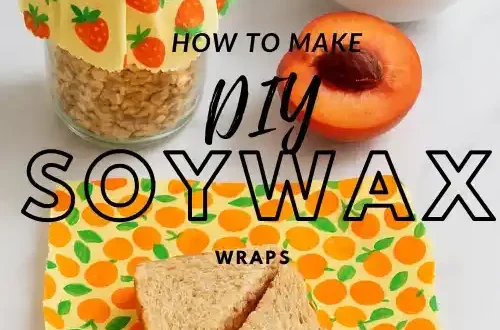
Imagine wrapping your sandwich or leftovers in a material that’s safe to eat no waste, no plastic, just pure innovation. Edible packaging is turning that vision into reality, blending creativity with sustainability in the most delicious way.
Here’s why edible packaging is a game-changer for eco-friendly living:
- Truly zero waste: These wraps are made from natural ingredients like seaweed, rice, or potato starch — and can be safely eaten or composted.
- Strong and practical: Despite being edible, they’re surprisingly durable, holding everything from sandwiches to vegetables without tearing.
- Keeps food fresh: Natural materials help lock in moisture and freshness, keeping your meals flavorful for longer.
- Eco-innovation at its best: Each use replaces single-use plastics with biodegradable, nutrient-based alternatives.
- Perfect for modern kitchens: They make food storage feel futuristic yet deeply connected to nature.
- Fun and functional: Wrapping food in something edible turns sustainability into a creative, everyday experience.
Tips for Using Plastic-Free Food Preservation Techniques
When I first joined the plastic-free movement, I realized storing food sustainably wasn’t nearly as difficult as it seemed. The key lies in small, consistent choices like using glass jars for leftovers or wrapping veggies in cloth instead of plastic. These swaps not only keep food fresher but also make your kitchen feel cleaner and more intentional.
Over time, I discovered a few simple habits that make plastic-free food storage both practical and rewarding:
1. Get Organized: Label and Date Everything
One of the easiest ways to master plastic-free food storage is through smart organization. When I first switched, I made the classic mistake of forgetting what was inside my containers. I once found an old jar of pasta in the back of my fridge that looked like spaghetti but felt too mysterious to trust a clear sign I needed a better system.
Here’s how labeling helps make plastic-free storage stress-free:
- Add clear labels: A quick scribble on paper, masking tape, or a reusable tag helps you instantly identify what’s inside each jar or wrap.
- Include dates: Writing down when you stored the food helps you track freshness and avoid waste.
- Use versatile containers: Glass jars, beeswax wraps, and bamboo boxes work great for keeping food visible and easy to organize.
- Stay consistent: Label everything even small leftovers. It takes seconds but saves hours of frustration later.
- Enjoy the payoff: Every time I pull out a perfectly fresh meal, I silently thank myself for taking those few extra moments to label it.
A little organization goes a long way turning your fridge from cluttered chaos into a calm, sustainable system that truly supports a plastic-free lifestyle.
2. Use the Right Storage for the Right Food
One of the biggest lessons I’ve learned from my plastic-free journey is that different foods thrive in different environments. A one-size-fits-all approach doesn’t work but once you understand what each ingredient needs, keeping food fresh without plastic becomes second nature.
Here’s how to match the right storage method to your food:
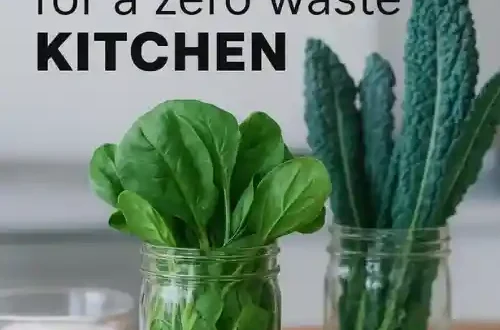
- Let greens breathe: Leafy vegetables like spinach or lettuce stay crisp when stored in breathable cloth or mesh bags instead of sealed plastic.
- Keep berries dry: Moisture shortens their shelf life store them in a dry, ventilated container lined with a cloth or paper towel.
- Preserve pantry staples: Grains, rice, lentils, and snacks stay fresh and pest-free in airtight glass or mason jars.
- Use containers intentionally: Different materials serve different purposes glass for long-term storage, stainless steel for on-the-go, and cloth for produce.
- Think freshness first: Proper storage not only maintains flavor and texture but also reduces food waste and the need for disposable packaging.
By giving each food the care it deserves, you’ll find that sustainable storage isn’t just eco-friendly it’s also smarter, cleaner, and more rewarding.
3. Don’t Overcrowd Your Containers
When I first switched to glass jars and beeswax wraps, I quickly realized that how you store food without plastic matters just as much as what you store it in. Many people unknowingly cram their containers full, thinking it’s efficient but overcrowding can actually make food spoil faster.
Here’s why leaving a little room makes all the difference:
- Air circulation is key: Without space to breathe, moisture gets trapped, creating the perfect environment for mold and spoilage.
- Balance is better than brim-full: Fill containers about ¾ of the way to maintain freshness while keeping portions manageable.
- Preserve texture and taste: Foods like fruits, grains, and leftovers retain their natural texture longer when not tightly packed.
- Avoid waste: Proper spacing helps reduce condensation, preventing soggy or spoiled food that ends up in the trash.
- Tight seals still matter: A good lid keeps air out but internal airflow helps keep food fresh from within.
By giving your food a little breathing space, you’re not just storing it you’re preserving quality, flavor, and sustainability all at once.