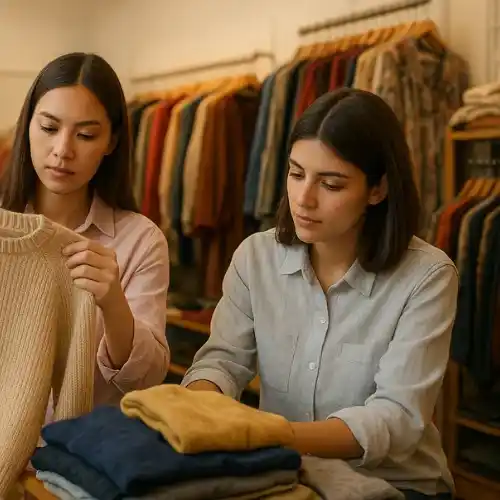
In today’s world, it’s easy to feel the pull of the newest trends and shiny gadgets, but I found a more meaningful alternative through shopping second-hand. When I first stepped into a secondhand store, I realized that shopping this way wasn’t just about style it was about choosing a path many individuals overlook.
By choosing shopping second-hand, I discovered not only ways to save money but also a lifestyle built on sustainability. Over time, I began to calculate how much I could cut back each year, and the results showed me that the treasures I was finding were more than just bargains they were tools that shaped a whole new lifestyle.
For me, it became a refreshing shift, almost like embracing a hidden map filled with rewards. The significant amount I saved was only part of the story the real joy came from the process itself. Each trip allowed me to explore unique finds while incorporating practical tips that worked like a guide toward smarter spending.
I discovered that shopping second-hand pieces carried their own character, blending savings with purpose, and turning ordinary routines into something far more intentional and rewarding.
Concerns about shopping second-hand
When I first started shopping second-hand for clothes and household items, I was torn between buying brand new or choosing second-hand pieces. At times, I even wondered if picking something used would really fit into my lifestyle.
Over the years, though, I realized that every shop has its own paradigm of value new stores promote trends while thrift stores highlight sustainability. The real shift came when I noticed the reasons behind people’s choices: some feel resistance toward preloved items, while others see their role in reducing waste and saving money.
Many people hesitate at first, but the truth is that shopping second-hand helps reduce waste, save money, and uncover unique items. In fact, the thrill of discovering hidden gems in thrift shops made me appreciate the process even more.
This mindset helped me understand that balancing both options is possible choosing shopping second-hand for everyday needs and buying new for essentials that matter most. It’s all about recognizing that each decision plays a part in shaping our habits and values.
Not going to find what you want
When you try to find a specific product, the complexity of shopping second-hand can feel overwhelming. Sometimes buying new feels easier because you see all the products lined up in stores, while choosing shopping second-hand might seem harder.
I once felt the same fear that I would never discover the right options, especially when my idea of a perfect jacket seemed almost terrifying to chase down. But after putting in some research, I realized that the result could actually be more rewarding than I imagined.
The truth is, we live in a world where ethical and sustainable choices matter, and even finding vegan-friendly items is no longer impossible. Yes, it can take extra time, and for the time-poor, it may feel like a challenge.
But the effort helps to remove guilt from impulse buys while giving a fresh life to items others have let go. I’ve learned that with patience, the balance between new and shopping second-hand comes with more meaningful rewards than frustration.
It’s cheaper to buy second-hand
It’s hard to ignore how much cheaper it is shopping second-hand, especially when the real benefit goes beyond the obvious savings. What I’ve often mentioned to friends is the undeniable value of buying used items. They are far more affordable compared to new ones you see at the shop, and the difference in what you can save can easily add up to thousands of dollars over time.
I once came across a video of a 20-year-old girl living in a van for the past two years. She had a fitted van filled with shopping second-hand products, and the vehicle itself cost just $2,500. By used furniture and gear, she was avoiding paying a mortgage and instead built a mobile home quite cheaply.
Her journey is an extreme example, but it makes the costs clear. With the right point of shopping and an intention-driven mindset, you can cut a ton of money from your budget. Personally, I started shopping this way when I realized how liberating it felt to spend less yet still enjoy good-quality items. Leveraging the right places and being mindful about products helped me see that thrifting isn’t just about saving, it’s about smarter choices that naturally stretch your money further.
Tips for shopping second-hand
When I first set a goal to save more money, I realized that shopping second-hand wasn’t only just about cutting costs or bargains, but also about choosing the right product for my needs. Over time, I became more confident with every purchase, because I learned to compare prices, check quality, and trust the process.
The best part? Following a few simple tips helped me shape each decision carefully, whether I wanted to buy brand new or go for something used.
For example, I often find great items at thrift shops that look as good as new, and choosing them feels like unlocking hidden value. The trick is to understand that every second-hand find has its own story, and with the right approach, it becomes more than just a budget choice it becomes a smart lifestyle habit. From furniture to clothes, each product I pick makes me more mindful about money and more thoughtful about
Where to buy second-hand products
When I first started exploring about shopping second-hand, I was amazed at how many products were already out there, gently used yet still in great condition. From furniture to everyday goods, there’s a sense of excitement in knowing you can give items a new chance to live in your home. Depending on your area, you’ll often find thrift shops, flea markets, and even local community sales where plenty of items are available.
What makes it even more practical today is how technology and the internet have expanded our options. I often scroll through online marketplaces or specialized apps, which make shopping for bargains easier than ever. In fact, I’ve picked up some of my best finds online, where second-hand culture feels just as rewarding as visiting a store in person.
Charity shops
When I first explored Charity shops are one of the most common places for shopping second-hand. In Australia, many people use Google to find a charity shop near me and quickly get a list of nearby places.
Each Shop works differently; some shops only accept certain types of products, while others happily take donated clothes, electronic goods, or even prams. By checking a website in advance, you can save time and know exactly which shops to visit.
From my own visits, I noticed that the public can find items that were once on-sell for much higher prices. For example, I once found mattresses in excellent condition, alongside small appliances and products that were practically new. Many charity stores on-sell these donations at a fraction of retail cost, which makes thrifting more than just shopping—it becomes a smarter choice for budget-conscious buyers.
Vintage shops
Whenever I step into Vintage shops offer another level of shopping second-hand Unlike charity shops, I notice how different the experience feels compared to buying new products from malls. The quality of used items can sometimes surprise you, especially when a brand has kept its styles and craftsmanship consistent over the years.
In fact, some pieces carry a sense of rarity that makes them more special than anything mass-produced. The range of clothing and accessories is broad, yet the curation is often defined by the customer base and the area. While certain items can feel cheaper, others may seem expensive—but this difference often depends on demand, not just the price tag.
I’ve learned that many vintage/thrift finds are sold quickly, so keeping an eye on what’s available can make all the difference. A single social media post from a shop can lead to a rush of people trying to find the same thing, and a quick Google search or simple typing of the shop’s name will often help you track it down.
If you’re following shops regularly, you’ll notice patterns in how they present their stock and what they mark as special. Some stores are quite strict with what they consider good enough to move, while others look like they focus more on turning a profit. Either way, these hidden gems offer something beyond money: a chance to shop more thoughtfully while still feeling stylish.
Swap shops
In recent years, Swap shops and swapping groups are growing in popularity. They turn shopping second-hand into a community experience, where people exchange items instead of spending money. It’s a lovely concept that creates a positive vibe in the community, allowing anyone to give and receive useful items for free.
I once joined a pay-it-forward Facebook group in my city, and through a simple Facebook search, I found another group in my area and even one just outside my neighborhood. This type of sharing feels more rewarding than buying second-hand in a store because the product you pick up often comes with a story from the giver, and as the receiver, you truly appreciate the thought behind it.
What makes this trend even more helpful is how it connects to everyday life whether you’re decluttering your home, looking for books, or need something practical without a monetary exchange. I’ve seen people list things they meant to take out of the car but would procrastinate for weeks, only to finally leave them for someone else at the end of the driveway. A quick Google search like “swap shops near me” shows how available these options are, and with the spirit of pay-it-forwards or the classic pay it forward, everyone benefits when people share rather than throw away.
Online marketplace
When I first discovered the world of online marketplace options, I was surprised by how easy it was to buy second-hand treasures without even leaving my city. Different platforms such as Facebook Marketplace, eBay, and Gumtree in Australia showed me that people everywhere are listing used products with an image, a short description, and a clear price.
Unlike a physical shop, these websites allow a buyer to connect directly with a seller who may ship the product by mail. I once came across wedding dresses, including a stunning dress from Masa, which was listed at a fraction of the cost I would have paid at retail shops.
What makes these shops even better is the variety. Marketplaces often include a list of specific items, and with tools like Google, it’s easy to compare and find the best deals. I personally set up an email alert so I could be notified when a product I wanted became available.
This approach saved me both time and money, especially when browsing for unique finds. Exploring these digital shops taught me that thrifting is not just about saving, but about discovering personal stories behind every item.
What do you think is better? Shopping second-hand or buying new?
From my own journey, I’ve learned that shopping second-hand often feels like a treasure hunt you never know what you’ll find, yet the thrill makes it worthwhile. Still, there’s a need for balancing that excitement with practicality.
For example, some things like kitchen tools are better off new, while furniture or clothes can be just as good second-hand. Over time, I’ve come to love the way this mix lets me stay mindful while still meeting my needs.
When it comes to drawing the line, I rely on small but effective tips. I usually set rules about what categories I’ll thrift and where I’ll invest in buying brand-new items. Sharing my process in comments with others has given me the chance to know different strategies too, and those exchanges are often just as valuable as the finds themselves.
Whether you’re learning from others or experimenting yourself, it’s this constant flow of shared tips, honest reflections, and smart balancing that keeps thrifting meaningful.