In today’s fast-paced world, sustainable Living is more crucial than ever. I’ve always been passionate about protecting the environment while also supporting ethical practices, and along the way, I discovered that sustainable living habits don’t just help the planet they also help me save money.
There are numerous ways to embrace sustainability in daily life, and with the right tools, it becomes second nature. This comprehensive guide will explore the best podcasts, practical apps, and eco-friendly choices of sustainable living that can truly help you lead a sustainable living lifestyle without feeling overwhelmed.
What I love most is how these resources bring sustainability into real routines. Whether it’s listening to inspiring voices on a morning walk, tracking habits with apps that keep me accountable, or choosing simple swaps at home, the process feels natural.
By looking beyond old habits and adopting modern solutions, sustainable living turns into something empowering rather than restrictive. It’s not just about making small changes it’s about creating a balanced way of life that feels both practical and meaningful.
Sustainable Shopping Strategies
Invest in Quality Items
From my own journey toward sustainable shopping, I’ve learned that the smartest move is to purchase fewer but better products. Over the years, I realized that many items on store shelves are designed for a short-term purpose, often made with disposable materials that don’t truly serve you for long.
In contrast, when you choose goods that are thoughtfully built to last, you not only save money but also reduce waste. I remember buying a pair of boots that seemed pricey at first, but because they were made to endure, I didn’t need to replace them season after season.
Making this shift isn’t just about being eco-friendly it’s about valuing your time and money. By investing in high-quality products, I’ve seen how my home fills with useful things rather than clutter.
Unlike the constant cycle of grabbing short-term items that wear out quickly, selecting durable pieces has given me peace of mind. It feels good to know that my purchase today won’t end up in the trash tomorrow, but will continue to serve me for years.
Repair Instead of Replace
I’ve learned that constantly buying new things isn’t always the smartest choice, especially when your current items can be fixed with just a little effort.
Over the years, I adopted an approach where instead of running to the store, I first check if something can be repaired or repurposed. This simple habit not only saves me time and money but also reduces unnecessary waste that piles up in our homes and landfills.
For example, a small tear in a jacket, a squeaky chair, or even a phone with a weak battery doesn’t always demand replacement. With basic skills, tutorials, or even local repair shops, I’ve extended the life of many things.
It feels rewarding to know that choosing repair over replacement builds a mindful connection with what I own. Over time, I realized this choice doesn’t just protect my wallet it also protects the planet by slowing down the cycle of overconsumption.
Use Reusable Products
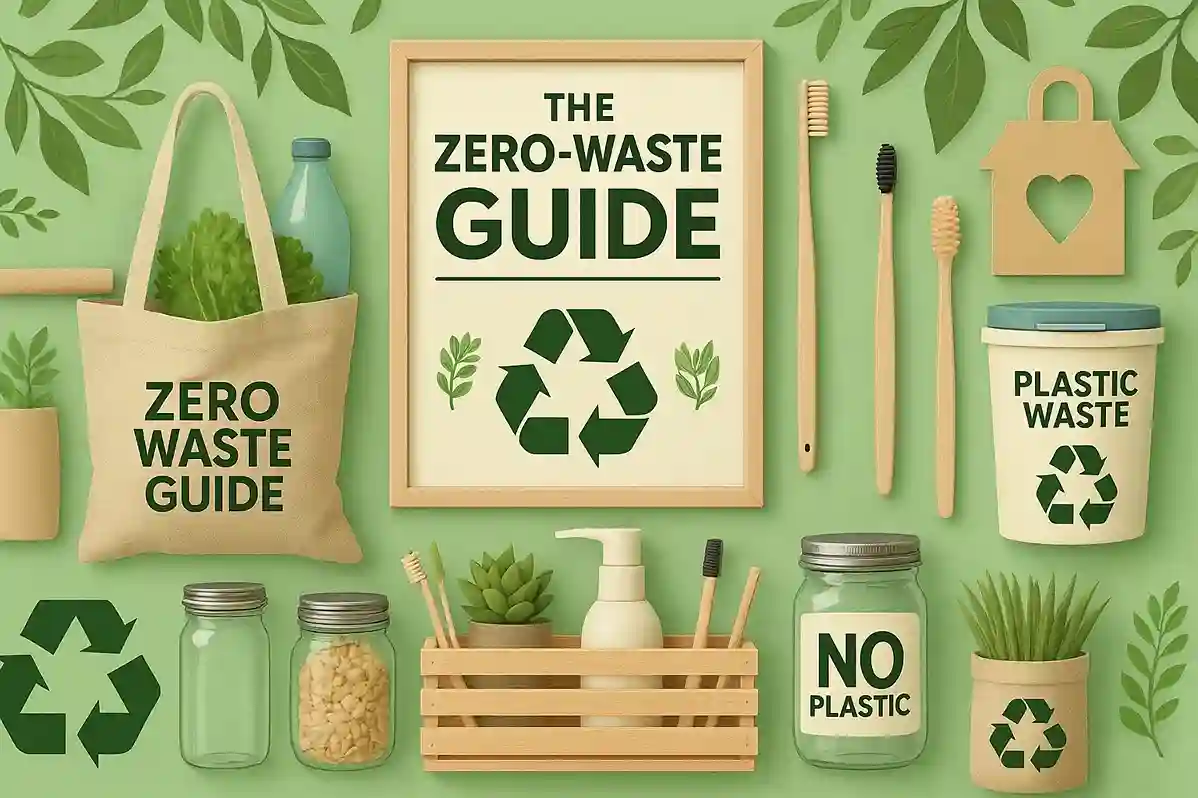
When I first decided to cut down on single-use products, I was surprised at how easy it was to replace them with smarter reusable options. Instead of grabbing plastic shopping bags at the store, I started keeping a couple of sturdy cloth ones in my car.
The same shift worked for water bottles a stainless steel one keeps my drinks cool all day and has saved me from buying countless disposable bottles. Even at lunch, switching from throwaway wrappers to durable food containers made my routine not only more eco-friendly but also more organized.
From my experience, these swaps feel like small habits at first, but they quickly turn into second nature. Carrying your own bags, sipping from personal bottles, or storing snacks in handy containers gives you the freedom to shop and live without the constant pile of trash.
What once felt like a hassle now feels like a smarter way to live, where sustainability blends naturally with convenience.
Tips for sustainable shopping
Go without fast fashion
I still remember how in 2019 I read about how new clothes bought in the UK could produce so much carbon emissions that it was like driving a car around the world six times. That number shocked me, especially when I learned that two tones of clothes are purchased every minute and that buying one white cotton shirt creates the same impact as driving 35 miles.
It made me reflect on how the average adult spends £27 a month in fast fashion outlets and currently owns items that remain unworn. A staff member decided to ditch fast fashion not just for Second Hand September but for a whole year, and to this date she hasn’t gone back. That inspired me to see that buying differently could really make a change for sustainable living.
Shop second hand
Since then, shopping second hand has been my great way to make items last longer and keep products in circulation. There’s such a bonus in finding something unique and interesting that can give your home a more individual look.
I’ve discovered that the fastest way to add some personality while consciously shopping is to source pre-loved homewares, and many of those pieces carry stories that feel richer than anything new. Choosing second hand makes me feel part of a movement that values care, creativity, and make sustainable living rather than waste .
8 Easy Sustainable Swaps That Save Money
Reusable Shopping Bags
When I first started looking for ways to sustainable living while being eco-friendly, I realized how much of an investment a simple switch can be. Spending just $1–$5 on reusable bags may sound small, but it quickly adds up to big benefits.
These sturdy bags not only reduce plastic waste, they also help me avoid those extra bag fees that can sneak up on your budget. I’ve even noticed that some stores offer special discounts when you bring your own, which makes the swap feel even more rewarding.
What I love most is how these bags aren’t just about sustainable living they also reflect mindful choices. Carrying my own bag feels like a reminder that I’m part of the solution, not the problem.
It’s practical, cost-effective, and it gives me a sense of pride knowing I’ve reduced unnecessary plastic in my home. One small change has a surprisingly big impact, both for the planet and for the sustainable living.
LED Light Bulbs
When I first made the swap from regular bulbs to LEDs, I was surprised at how quickly the difference showed up on my electric bill. These lights last nearly 25 times longer, which means fewer trips to the store and no more worrying about burnt-out lamps.
What impressed me most was the efficiency using up to 75% less energy without losing brightness. Over time, I noticed the bill actually shrink, which felt like a reward for a small and simple change.
From my own experience, this wasn’t just about sustainable living, but also about choosing smarter habits that align with sustainable living. By replacing one bulb at a time, I eased into the transition and avoided extra costs upfront.
The long-lasting nature of LEDs really made me appreciate the value of investing in quality over quick fixes. Every bulb I replaced reinforced that these choices add up, both in savings and in reducing waste.
DIY Cleaning Products
When I first started looking for easy sustainable swaps, I realized how much money was slipping away on pricey cleaners. A simple mix of vinegar, baking, and soda with a splash of lemon was enough to clean almost everything in my home.
The best part? It worked without the worry of toxic chemicals. Not only did I save real bucks, but I also said goodbye to the overwhelming number of plastic bottles piling up in my cupboard.
Over time, this swap became more than just a routine it felt empowering. I didn’t have to spend extra on those glossy cleaners marketed as “eco-friendly,” because my homemade version worked just as well because of sustainable living.
This shift taught me that even small, everyday choices add up. What started as an experiment turned into a habit that protects my health, supports sustainability, and keeps my wallet happy.
Refillable Water Bottles
When I first decided to cut down on waste, switching from bottled water was one of the easiest changes. I realized I was spending hundreds yearly without even noticing it, and all of that money was literally being thrown away with the plastic. By investing in a stainless steel bottle, I not only saved money but also enjoyed drinks that stayed cool for hours.
Within just a few weeks, the savings of sustainable living became clear on my budget, and it felt like a win for both my wallet and the environment.
From my own experience, carrying a reusable steel bottle also keeps me more mindful about hydration. Unlike bottled water that you buy and toss, a reusable option builds a small daily habit that adds up to something much bigger over time.
Whether you’re at work, on the go, or even at home, this simple shift shows how sustainable living choices can pay off quickly while still being practical.
Cloth Towels vs. Paper Towels
When I first started making small eco-friendly changes at home, I was surprised at how fast a roll of paper towels disappeared within just a few days. It felt like I was constantly spending on replacements.
That’s when I decided to try a simple swap using cloth instead. At first, it felt unusual, but soon it became a routine. I would wash and reuse them regularly, and over the years, this little habit not only cut down on waste but also saved my household a noticeable amount of money. From experience, I can confidently say this switch helps families save more than they expect sometimes over $150 a year.
Beyond the savings in sustainable living, there’s something satisfying about knowing I’m creating less waste while keeping my kitchen just as clean. It’s proof that a small mindful choice can bring long-term benefits without sacrificing comfort.
Energy-Efficient Appliances
When I first started making changes in my home, I realized that switching to ENERGY smart solutions was one of the simplest ways to save both money and resources. Choosing STAR-rated items means they naturally consume less energy and water, which directly shows up as lower bills at the end of each month.
What surprised me most was how quickly these upgrades made a difference not just in numbers but also in comfort, since efficient appliances often run smoother and quieter. From my own experience, replacing an old refrigerator with a STAR-rated model immediately reduced the bills without me having to cut back on usage.
It felt good to know that the same items were helping me use less energy while being kinder to the planet. Even smaller swaps for sustainable living like a new dishwasher or washing machine, made daily routines easier while saving water every month. This balance of saving money and sustainable living proves that smart choices don’t always mean big sacrifices they simply mean paying attention to what we bring into our homes.
Public Transportation & Biking
When I first started cutting down expenses, I didn’t realize how much gas, parking, and unexpected maintenance were draining my budget. Switching to public transit was a simple swap that not only saved me hundreds each year but also gave me peace of mind.
The routine of hopping on a bus or train felt easier than dealing with traffic and costly car troubles, and I noticed how this choice lowered emissions too, which made me feel like I was giving back to the environment in my own small way.
Later, I added biking into my routine, and that truly changed how I view daily travel. Every ride not only boosts my energy but also my overall health, making it more than just a money-saving habit. With these swaps, I’ve found a balance between sustainable living and building a lifestyle that feels lighter, healthier, and more sustainable living.
Home Composting
When I first started composting, I was surprised by how simple it could be. Instead of sending everyday waste to the trash, I began tossing food scraps into a small bin at the corner of my balcony.
It didn’t take a fancy setup just a little consistency. Over time, what once looked like leftovers transformed into rich fertilizer that brought new life to my plants.
The best part? This habit not only reduced the garbage piling up in my home but also cut down costs I used to spend on garden products.
I had always assumed composting required expertise or complicated tools, but I realized it’s really about using what you already have. Every scoop from my homemade bin felt like sustainable living while caring for the environment.