Every day, many of us consume different personal care products without fully realizing the hidden environmental cost behind them. The industry has long overlooked the damage caused by products that seem harmless but leave an overwhelming impact on our planet.
That is why this article is at the forefront of educating readers about eco-friendly alternatives. As someone who has gradually shifted toward more eco-conscious habits, I’ve seen how even something small we use daily can make a big difference in minimizing the impact on nature.
What are eco-friendly products?
When I first started exploring eco-friendly options, I noticed how strongly consumers connect with brands that strive for sustainability at their core. In fact, recent statistics reveal that nearly 55% of people are willing to spend more on products that logically align with their values.
From my own journey, I found that choosing personal care products using sustainable and non-toxic materials not only benefits the planet but also adds a personal sense of alignment with what feels right.
I’ve learned that supporting brands committed to such practices means supporting those longing for real social responsibility. These values aren’t abstract they’re part of everyday decisions when selecting personal care products. And therefore, the more we connect with these ideals, the stronger our role becomes in shaping an industry built on fairness, ethics, and true sustainability.
Natural Ingredients are Safer for the Environment
Over the years, I’ve come to realize that using natural personal care products goes beyond personal health it’s also about protecting the environment we all share, because the following factors are unsafe for our environment:
- Conventional sunscreens and lotions with chemical compounds can wash into oceans and harm coral reefs as compared to Mineral-based creams because it feel safer and align with sustainable values.
- Recent studies have shown that even small traces can cause a big negative impact. In a nutshell, when we choose personal care products, we are actively reducing this environmental burden.
- Another factor is Packaging. It is a major issue tons of waste come from the beauty and personal care products industry each year. Using recyclable or biodegradable packaging makes a remarkable difference.
Choosing personal care products that respect both our health and the environment allows us to care for ourselves while protecting the planet.
Eco-friendly personal skincare: tips and tricks
When it comes to building an eco-friendly skincare routine, I’ve learned that a single tip can feel like just the iceberg of a much bigger journey into conscious living. I often had questions about which personal care products to trust and what the right answer was, especially with so much greenwashing in the market.
Over time, I realized that the key lies in focusing on sustainable things that truly reflect thoughtful consideration and align with the rules of mindful consumption. Some methods may not always work for everyone, but exploring different options can help uncover what feels right for your skin and the planet.
Keeping a simple list of trusted brands, leaving room for trial and error, and learning to stay open-minded will guide you to choose wisely. The goal is to move away from the hype and toward routines that are truly mindful. When it comes to personal care products, every small switch adds up and becomes part of a healthier, more responsible lifestyle.
Given below are a few things you can keep in mind while creating an eco-friendly skincare routine.
- Choose Your Personal Care Products Wisely
- Focus on Packaging
- Check the Ingredients
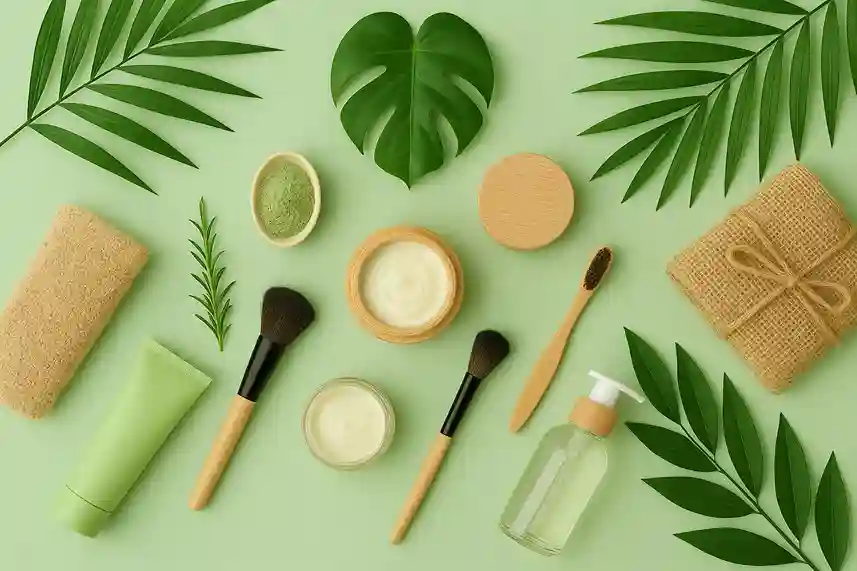
- Make your beauty Tools Eco-Friendly
- Use Multi-Purpose Products
- Simplify your Routine
- Be Efficient
Top eco-friendly personal care products
Zero-waste beauty products
When I first explored zero-waste personal care, I realized it was more than just using different personal care products it was a philosophy of minimizing and reducing my environmental footprint. This approach encouraged me to let go of unnecessary consumption and start embracing minimalist routines.
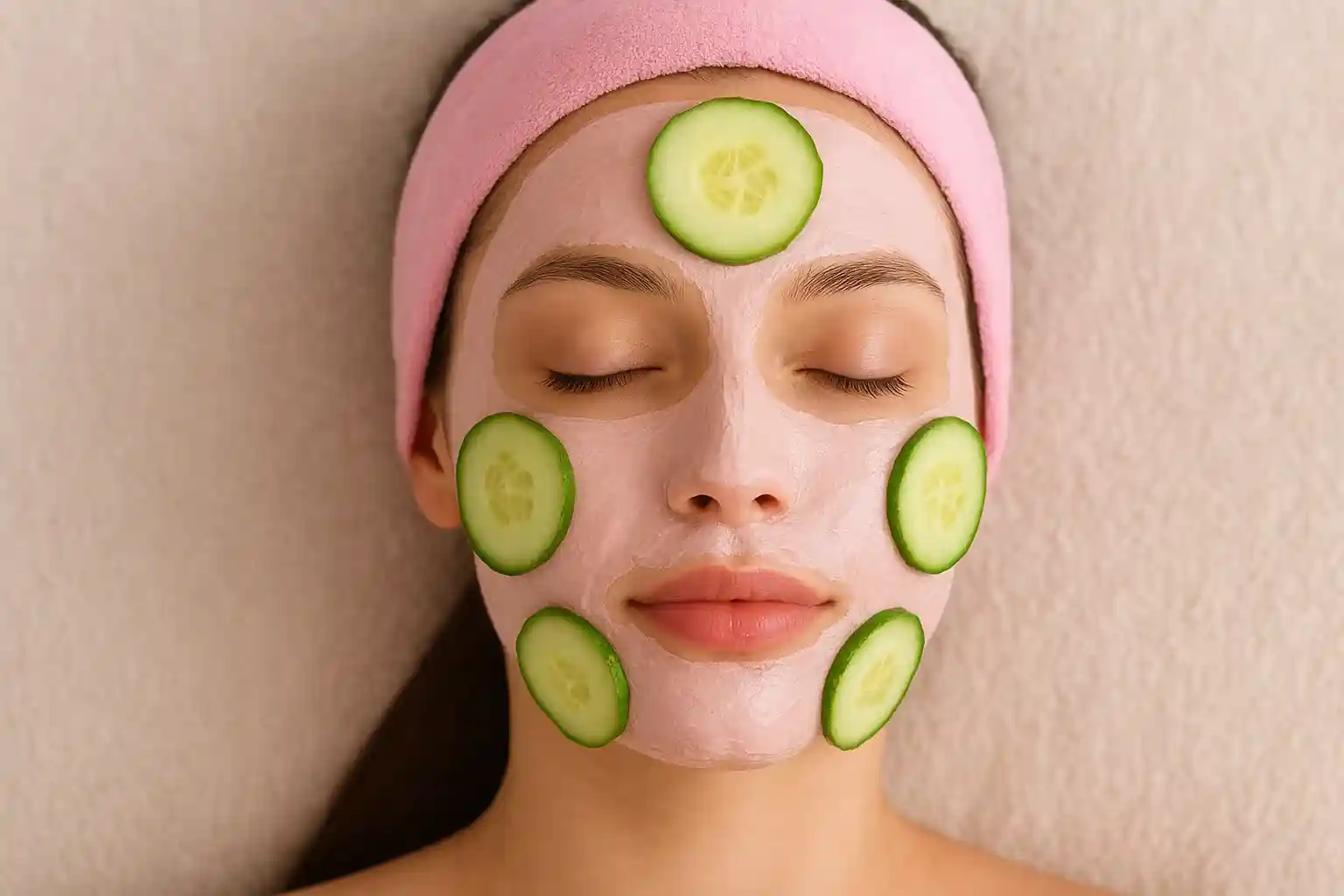
By opting for reusable and refillable solutions, I began choosing personal care products made with natural and biodegradable ingredients that felt gentle on my skin while also aligning with my values. I noticed that self-made skincare or personal care products like simple masks, scrubs, and moisturizers not only worked beautifully but also helped me avoid wasteful packaging.
Over time, I found that everyday swaps such as solid shampoo and soap bars, natural deodorants, reusable cotton rounds, safety razors, and menstrual cups became the biggest shift in my routine.
These are washable, long-lasting, and often available in personal care products form that lasts the longest possible. Even though the volume of waste I used to create was high, this change reminded me how much power lies in small choices. Today, I see beauty not as excess, but as care rooted in thoughtful habits.
Biodegradable wipes
In the UK, it’s shocking to know that around 11 billion wet wipes are used every year, and about 90% of them are non-plastic-free. From my own experience working on coastal clean-ups, I’ve seen how these wipes block sewers and end up in the sea, creating beach pollution and putting marine life at risk.
The problem comes from the plastic in regular wipes, which never truly break down but instead slowly disintegrates into harmful microplastics, silently harming the environment.
Switching to biodegradable wipes is a smart and sustainable alternative that can make a big difference. These wipes are made from plant-based and compostable materials that naturally break down, unlike the stubborn kind that pile up as landfill waste.
I personally prefer these wipes because they feel gentler, safer, and don’t leave me worrying about long-term damage to the planet. Choosing them means fewer chemicals, less plastic waste, and a cleaner future for everyone.
Bamboo toothbrushes
When I first switched from plastic to bamboo toothbrushes, I was surprised at how comfortable and effective they felt. These brushes are not only popular today but also an eco-friendly alternative that helps reduce waste while supporting the planet. Since bamboo is a renewable resource, it makes a sustainable choice for daily oral care.
What I really like is that the material is naturally antibacterial, which keeps it cleaner than plastic. Plus, with a biodegradable handle made from wood, it breaks down far more easily. Looking back, I can see why people are increasingly choosing them in place of synthetic options.
The numbers also tell a compelling story. In 2021, the global market size for eco-friendly toothbrushes was valued at $30.2 million and is projected to reach $81.1 by 2031. That’s proof of how fast they’re growing in demand.
From my experience, the best option is to pick brushes with soft or medium-bristled heads to avoid damaging gums. Many models use nylon bristles, but it’s wise to avoid polyester or nylon-6, as they aren’t fully biodegradable. By paying attention to these details, switching to bamboo feels less like a small change and more like a mindful step toward sustainable living.
Scalp massagers
When I first explored scalp massagers, I thought of them as simple devices for pampering, but they turned out to be much more than that. A gentle session can promote blood circulation, encourage hair growth, and even aid exfoliation of dead skin cells, all while offering deep relaxation.
Interestingly, the scalp massager market is expected to see a strong rise and may grow by 7.6% through 2028, showing how people are now embracing them as part of basic scalp care. While such care was once performed only manually, today’s advanced massagers often feature vibration, sonic technology, and soft bristles that make the experience both effective and soothing.
For anyone seeking an eco-friendly routine, there are inspiring examples of scalp massagers crafted from fully recyclable silicone, natural wood, or sustainable bamboo.
Natural loofahs
One of my favorite eco swaps in the bathroom has been Natural loofahs. Unlike synthetic exfoliating sponges, these are derived from a vegetable-based plant fiber and make a biodegradable alternative that feels both gentle and effective on the skin. I love how they help exfoliate without irritation, leaving my body soft and smooth after every shower.
Because they are sourced from agricultural waste, they’re also a smart way to reduce what ends up in landfills. With the right proper care, loofahs can actually last months, often longer than the usual plastic shower scrubbers that need to be tossed every six weeks. From my experience, it’s best to replace them around two to four months to balance hygiene with sustainability.
Another thing I learned early on is that loofahs have an organic origin, which means their shelf life is naturally short. That makes it important to wash regularly and disinfect by soaking them in a diluted bleach solution for about five minutes each week.
By following these steps, loofahs remain fresh and safe to use while keeping my routine aligned with sustainable values.
Organic cotton underwear
When I first explored eco-friendly swaps, I was surprised by how much difference cotton cultivation makes. Choosing organic cotton really avoids synthetic pesticides and fertilizers that can contaminate water sources and harm wildlife.
Wearing underwear made from the cotton fabric feels naturally kinder to the skin, and the softness and breathability really provide an enjoyable experience, particularly in warm weather when comfort matters most.
From my own shopping habits, I’ve learned that identifying genuine organic pieces is important always look for the USDA Organic label, which ensures the fabric doesn’t contain synthetic materials. It’s also crucial to ensure the fabric content is at least 95%, which is a strong guarantee of its eco-friendly credentials.
It’s advisable to give preference to brands that openly disclose their sourcing methods and use packaging that’s either made from sustainable materials or can be recycled. These details may seem small, but they reflect a conscious choice that extends beyond what we wear, aligning our personal comfort with responsibility toward the planet with my these personal care products.