Looking for upcycling as a beginner with zero cost ideas ? Here’s when I first looked at the pile of cardboard boxes, an empty glass jar, and an old t-shirt in the corner of my room, I never imagined it would be the start of a fun hobby. I used to thought these were just everyday waste, but once I began leaning into upcycling as a beginner, I realized how powerful it can be.
Upcycling as a beginner lets you turn what feels useless into beautiful, functional, and even sellable items. At first, I didn’t know where to place things or how to do it right, but slowly, I found my style in DIY and eco-friendly crafts. It was like I had been officially welcomed into a whole new world of intentional crafting.
The best part is the sense of creativity and freedom to express yourself. By making upcycled crafts, you can create a wallet from a t-shirt, or a set of stacked storage containers out of cardboard. These little projects might look simple, but they carry a very real impact on the planet.
For me, it wasn’t just about creating a new or brand piece, it was about making something that has purpose. Every upcycled item is a reminder that we can change how we see the world and in doing so, we change the world itself.
Why Upcycling Matters ?
In today’s world, the need for sustainability is no longer just a trend but a real necessity. With rising levels of waste and shrinking resources, choosing responsible consumption has become more important than ever. From my own experience, upcycling as a beginner not only reduces landfill impact but also supports the circular economy by turning everyday objects into something new.
The process pushes your creativity, challenges you to think differently, and encourages you to craft with a sense of purpose. At the same time, it’s a path of cost-effectiveness that saves money through simple repurposing projects.
More and more people are becoming conscious of how fashion, overconsumption, and their carbon footprint affect the planet. That’s where upcycled crafting comes in it feels like an empowering action you can take right at home. I remember when I first got started; I treated it as a personal guide and a kind of toolkit for everyday learning.
Every project gave me more confidence to transform trash into meaningful creations. Over time, these small acts built habits that not only improved my lifestyle but also strengthened my belief that thoughtful choices can spark lasting change.
Smart Ideas for Upcycling as a Beginner
Bottle Upcycling
When I first started experimenting with glass and wine bottles, I was surprised at how many different ways they could be reused. Old bottles make great candle holders, and smaller ones are even great mini vases that add charm to a room without spending extra money.
It’s amazing how a simple item can shift from being overlooked to becoming a stylish part of everyday life.
Even the humble plastic bottle can be upcycled into something useful. I’ve tried gardening projects by planting seeds in cut bottles, and I once made a bird feeder for my balcony from one.
These are just a couple examples, but they prove how creativity can turn ordinary waste into practical treasures.
Upcycled Pet Toys
When I first started turning old items into something useful, I realized even my pets could benefit from a little creativity. Giving things a second life through DIY pet toys is not only cost-free but also incredibly fun.
For example, I’ve used worn-out socks stuffed with crumpled paper inside to make a playful cat toy. Small changes like this show how simple fabric scraps or cardboard tubes can be transformed into hours of joy for your furry friends.
One of my favorite projects was twisting braided fabric strips together to create durable tug toys. These hold up surprisingly well and give your pets safe, exciting ways to play.
By repurposing what you already have, like an old sock or a few extra scraps, you can design toys with personality and purpose. The best part? These upcycled creations bring more fun into your pet’s day while reducing waste at home.
Clothes Upcycling
When I first tried upcycling my old clothes, I was surprised at how many different things I could make without spending anything. Instead of throwing worn-out items in the bin, I began turning them into upcycled pieces with a truly practical purpose.
Some of my favorites include stitching tote bags for shopping, cutting jumpers into cozy quilts and blankets, and even transforming worn sweaters into cushion covers. What seemed like discarded material became useful fabric that could easily become a gift wrap or part of simple upholstery projects.
This way of reuse is not only about reducing textile waste, but also about rethinking how we value clothing. Upcycling as a beginner involves creativity and can give you loads of options to design something new out of what has already been seen as waste.
I’ve found it’s a great way to stay connected to fashion without feeding into fast recycling cycles or buying more than I need. Another benefit is how endless the possibilities are you could even take small scraps and make something simple yet beautiful. It’s a different mindset, one that shows how much potential lies in discarded fabrics waiting to be given a second life.
Packaging & Cardboard Upcycling
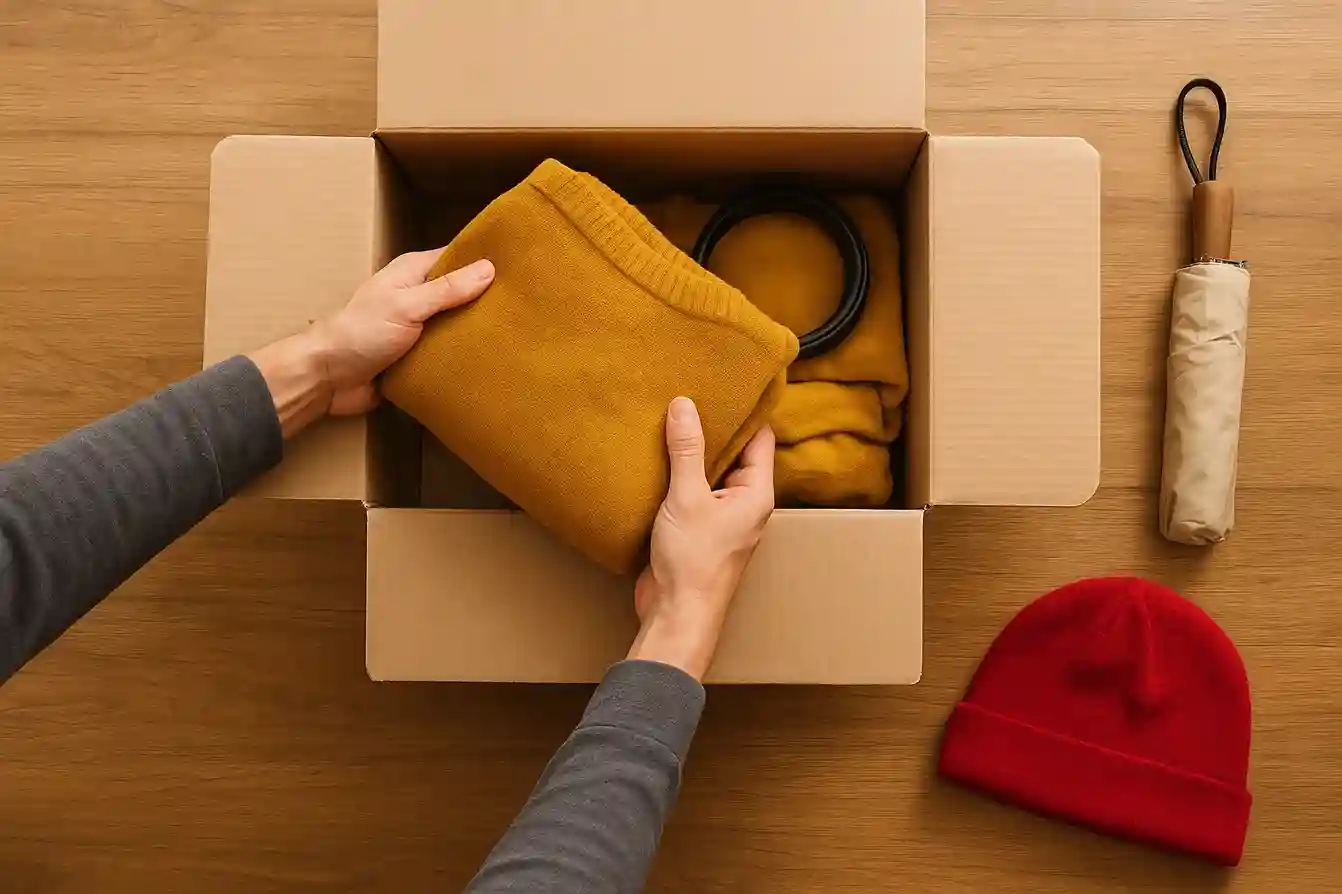
Whenever I receive parcels from online shopping or even an Amazon delivery, I never throw the boxes away. At home, we like to upcycle them into something fun and useful.
For example, my kids love turning old rolls and paper into an advent calendar, which becomes a brilliant activity that gets everyone involved. It’s a great way to show them how cheap and simple ideas can transform what looks like plastic wrapping or smaller items into something new.
I’ve also found that creating little drawers or a DIY organizer from cardboard is a fair and practical option for our home. With just a bit of sticky paper to cover and decorate, we can make separate storage for their product items, and it feels so much more personal than buying yet another product from the store.
The best part is when I share our idea, them around the neighborhood, they get inspired to try it too. For us, this way of use doesn’t just save money it also makes me proud that I, we, and even our kids are part of creating more with less.
Jar And Can Upcycling
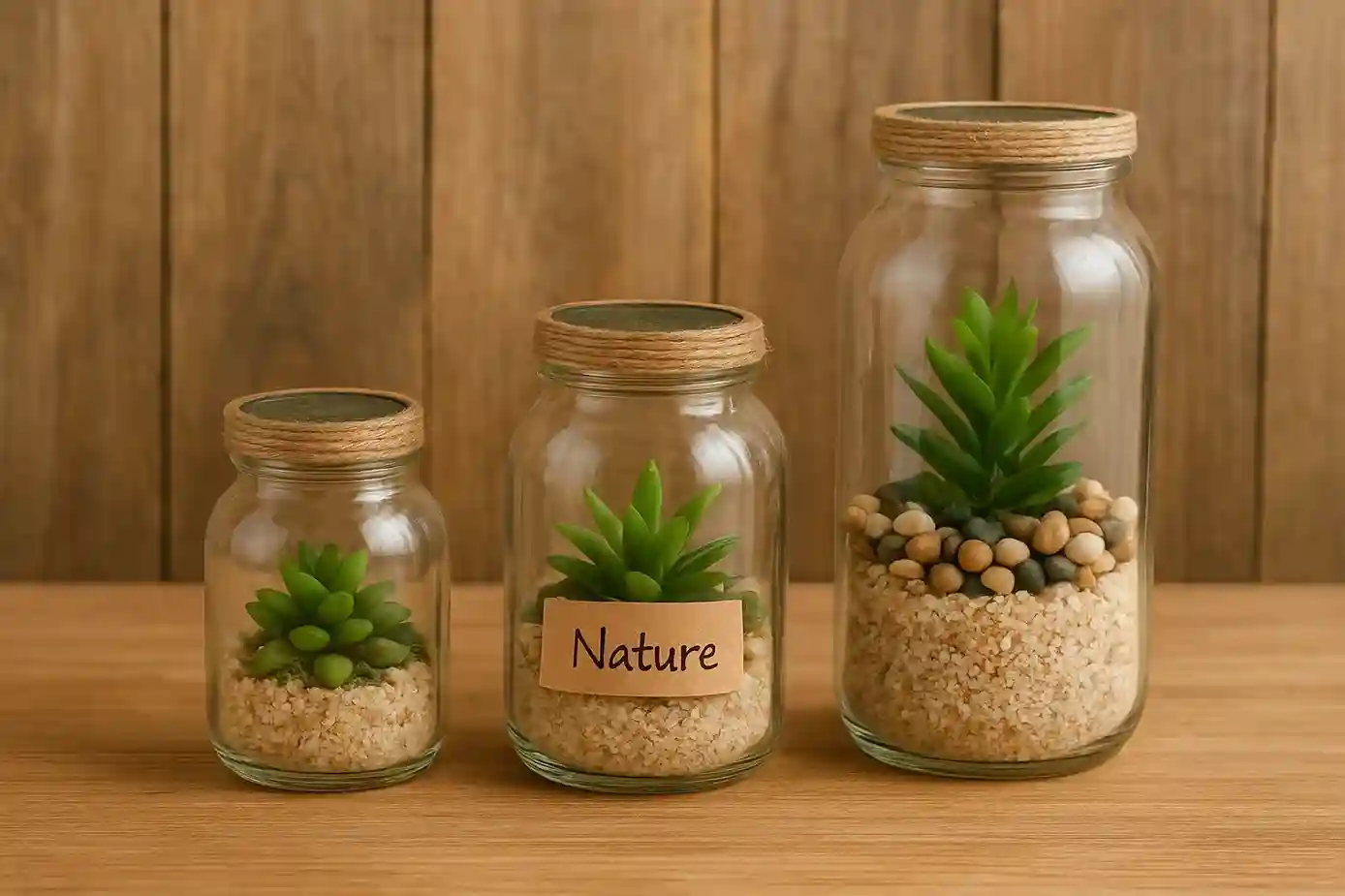
When I started experimenting with upcycled projects at home, I quickly realized how simple items like metal cans and old jars could be transformed into something both practical and beautiful.
I’ve turned empty candle jars into new candles, and even used sturdy cans as pen pots or small plant pots. These little changes not only reduce clutter but also bring a touch of personality into the room.
What I love most is the flexibility including everyday glass containers made for food storage that now serve as stylish vases. Each time I finish a project, I feel like I’ve created something valuable out of nothing.
Whether it’s repurposing pots into décor or giving life to leftover jars, every piece carries a story, proving that upcycling as a beginner is less about waste and more about imagination and care.
What Are Some Of The Benefits Of Upcycling?
From my own experience, upcycling as a beginner has been a positive way to give old things new life, offering the motivation to make good use of my time and letting me play with creativity while understanding what works well, why it matters, and providing a quick rundown of sustainable choices.
Environmental Benefits
One of the most powerful impacts of upcycling as a beginner is reducing landfill waste. When we choose to repurpose a discarded object instead of throwing it away, we make an environmentally friendly choice that helps reduce the amount of pressure on natural resources.
I’ve often found that a simple item can be repurposed into something useful, which saves both energy and raw materials. Instead of relying on making everything new from scratch, upcycling as a beginner encourages us to work with what we already have.
In my own journey, I discovered that even small steps, like recycling or learning how to create something fresh from a forgotten item, can feel like a practical tip anyone can follow.
Beyond its creative side, repurposing has shown me how everyday actions can be part of a larger effort to protect the planet. By embracing these habits, we not only save resources but also strengthen a lifestyle that values mindful use of every object.
Financial Benefits
One of the biggest benefits of upcycling as a beginner is how much money it can save. In my own life, I’ve turned simple items that might have been thrown away into something practical and appealing for a specific room in my home.
Instead of spending on something new, I make use of what I already have, which means fewer things need to be bought. This smart option not only reduces costs but also gives me the chance to design something unique that reflects my style.
The beauty of this habit is that it aligns perfectly with an eco-conscious lifestyle. By finding new use for everyday materials, you extend their lifespan and avoid waste, all while enjoying the satisfaction of creating something special.
Over time, these choices add up, turning simple actions into meaningful savings and personal value.
Mental Health Benefits
From my own experience, upcycling as a beginner can do wonders for your mental well-being because it provides a fantastic creative outlet where you can fully express yourself. Each creation is more than just a recycled object it’s a reflection of your own style and personality.
I’ve noticed how it can help reduce stress, boost positivity, and even make you feel more grounded when you really put your energy into designing something unique.
This process is about taking time for yourself, experimenting freely, and valuing each small step. When I first tried repurposing an old item, it wasn’t perfect, but it gave me a sense of pride because it carried my own touch.
That journey of making something meaningful out of what others might overlook is what makes the practice not only sustainable but deeply rewarding for your health and happiness.