When I first began my gardening journey, I realized that the easier I made the process, the more consistent I became. There are simple Gardening Hacks to achieve your gardening ambitions without spending too much.
Whether you’re dealing with garden pests, preventing weeds, or just looking for eco-friendly methods to care for your plants, the secret lies in thinking differently. By being environmentally conscious, you can turn your garden at home into a thriving space while staying on budget.
These ideas may seem common, but when applied with care, they create lasting results. With the right mix of creativity and practical effort, you’ll find that small eco-friendly steps make gardening both rewarding and sustainable.
The Gardening Hacks That’ll Save you Money This Year
Avoid Raised Beds
Looking to start a budget-friendly garden without spending a fortune? You don’t need fancy tools or expensive setups to grow healthy plants. With a few smart DIY garden tips, you can create an eco-friendly garden that thrives naturally and saves you cash all season long.
Why Ground Gardening Beats Raised Beds
- Lower Costs: Skip the pricey materials — no need for lumber, liners, or extra soil.
- Less Labor: Plant directly in the ground and let nature handle the heavy lifting.
- Healthier Ecosystem: Soil life stays balanced, supporting strong, low-maintenance growth.
When I first started gardening, I thought building a raised garden bed was the only way to go. But after a season of DIYing, I realized the cost of wood, mulch, and other supplies was eating up the very cash I hoped to save.
By simply finding a good place in my yard with healthy soil, I could grow directly in the ground without the stress of building raised beds. This simple garden hack works especially well if you get a little creative with sources of free compost, organic material, and even neighborhood mulch piles that people give away.
By enriching the soil with home-made compost and layering mulch, you can make your garden thrive without expensive setups. Trust me, skipping raised beds doesn’t mean giving up on results; it means saving time, energy, and money while embracing sustainable, low-cost gardening that works with nature, not against it.
Make Your Own Compost
Creating your own compost is one of the smartest ways to save money and boost your garden’s health. It’s easy, sustainable, and turns everyday waste into nutrient-rich gold for your soil. If you’re looking for a budget gardening trick that truly pays off, this is it.
DIY Composting: Turning Waste into Garden Gold
- Use What You Have: Kitchen scraps, yard leaves, and paper waste all work perfectly.
- Get Creative: Ask local cafés for free coffee grounds or tree services for wood chips.
- Let Nature Work: Layer, mix, and allow time — decomposition does the rest.
One of the best money-saving gardening hacks I learned came from Stephen Lucke at Gardopia Gardens, who showed me how simple it is to start compost at home without spending a dime. Each season, I gather kitchen scraps like fruits, vegetables, and even eggshells, then layer them with leaves collected from neighbors’ yards.
Sometimes I’ll stop by a local coffee shop to pick up discarded coffee grounds, which add a rich boost to the mix. What surprised me most is how ordinary items such as shredded paper, unneeded mail, or old documents can break down just as well as garden waste, turning what would be trash into valuable soil food.
To stretch the idea further, I reached out to tree trimming businesses, where I often find wood chips for free. Mixing them into the pile balances moisture and airflow, speeding up decomposition.
Reuse your coffee grounds
Your morning cup of coffee doesn’t have to end in the trash. With just a little creativity, those used coffee grounds can become a secret weapon for your garden. This simple eco-friendly gardening hack not only saves money but also keeps your plants thriving naturally.
Coffee Grounds: Nature’s Free Fertilizer
- Boost Soil Health: Rich in nitrogen, coffee grounds act as a natural, slow-release fertilizer.
- Support Earthworms: Their organic texture attracts worms that improve soil structure and aeration.
- Repel Pests Naturally: The scent helps deter slugs, snails, and even curious neighborhood cats.
One of the easiest gardening hacks to save money in the garden is to recycle your morning coffee grounds. I’ve found that when sprinkled directly into flower beds, they act like a natural fertilizer packed with nitrogen.
This makes them perfect for enriching soil that needs a quick boost. Because the grounds are slightly acidic, they can really help plants that thrive in lower pH, and at the same time, they attract worms, which keep the earth healthy and well-aerated.
From my own experience, adding them to the compost pile speeds up the breakdown process and creates a nutrient-rich mix.
Another unexpected benefit is how they help deter common pests like slugs, snails, and even wandering cats from messing with your beds. It’s a simple step that saves me from buying extra repellents while keeping the garden eco-friendly and budget-friendly.
Grow From Seed
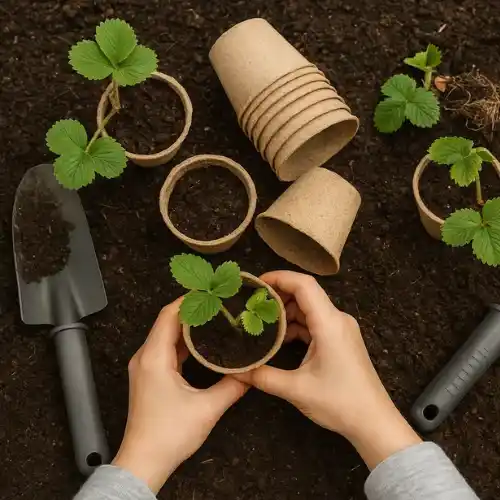
If you’re looking to stretch your gardening budget, start small — literally. Growing from seed is one of the most rewarding budget gardening hacks, giving you the joy of nurturing life from the very beginning. It’s simple, sustainable, and far cheaper than buying nursery plants.
Why Growing From Seed Is Worth It
- Maximum Savings: A single $3 seed packet can yield dozens of healthy plants or even trees.
- More Control: Choose your favorite varieties, adjust timing, and grow exactly what fits your space.
- Deeper Reward: Watching seeds sprout and thrive makes gardening more personal and fulfilling.
When it comes to starting plants, I’ve always found that working with seeds gives me more control and better results than buying pre-grown plants. My friend Lucke once told me that seed saving is one of the most affordable gardening hacks, and my own experience confirms this. By starting from scratch, you can reduce costs while also enjoying the learning process.
Depending on the plant you choose to grow, the range of prices can be anywhere from $3 to $50-plus, but one small packet can give you an almost unlimited amount of fresh fruits, vegetables, or even trees.
Of course, it’s not always easy some varieties can be challenging, though never impossible, if you give them the right TLC.
Plant Affordable Veggies
You don’t need an expensive setup to grow food that fills your plate and saves you money. With a few smart choices, your garden can produce healthy, flavorful vegetables all season long — no big budget required. This is one of the simplest DIY garden hacks every frugal gardener should know.
Grow Smart: High-Value Crops That Pay You Back
- Start Small, Save Big: Choose affordable seedlings or starter packs instead of expensive plants.
- Pick High-Yield Crops: Tomatoes, cucumbers, and leafy greens offer consistent harvests.
- Maximize Space: Even balcony or container gardens can produce a surprising amount of food.
When it comes to saving money in the garden, I’ve learned that choosing the cheapest options doesn’t mean you sacrifice quality. One of my best gardening hacks is to plant from affordable starts instead of pricey packs.
A good friend of mine, Mr. Dysinger, once told me that the secret is knowing which vegetable plants give the highest return on your investment. He was right. By picking the right crops, I’ve cut down my food bill and still enjoyed baskets of homegrown produce.
At my local garden center, I often grab a few easy starter plants like tomatoes and cucumbers. These two are champions in my backyard — they yield more than I expect each season and keep my pantry full.
Whether you’re growing on a balcony or in a large garden, the idea is simple: choose smart, low-cost options that reward your effort with generous harvests.
Collect Rainwater in Trash Cans
Why pay for what nature gives you for free? Collecting rainwater is one of the most effective eco-friendly gardening hacks you can start today. It’s simple, affordable, and helps your plants thrive while cutting down on water bills year-round.
Smart Watering: How to Reuse Rain Naturally
- Start Small: Use trash cans or buckets to collect free rainwater for your garden.
- Upgrade Over Time: Consider investing in a rainwater tank for better storage and pressure.
- Stay Consistent: Mark your setup and check it often during rainy days to make the most of every drop.
One of the simplest ways I’ve reduced my water bill over the years is by collecting rainwater. Instead of letting it go to waste, I set up large trash cans around the yard. It’s a cheap source of water, and it truly helps keep plants quenched during hot days.
A friend of mine, Lucke, always notes that small containers can work too, though he also cautions that the time you spend moving them around can add extra effort. Personally, I tied a sturdy bow to mark my setup so I remember to check it often, especially when the skies offer that free gift of rain.
Over the years, I’ve learned it pays to invest in a proper rainwater tank. It’s easy to set up and great for utilizing the natural flow of rain. A tank offers better storage and pressure when filling watering cans or connecting to a hose. Whether you go with simple trash cans or a larger system, the idea is practical, effective, and surprisingly budget-friendly.
Make your own watering can
Why spend money on fancy gardening tools when you can make one in minutes? Turning everyday items into garden gear is one of the easiest ways to practice DIY garden hacks that save cash and cut waste. A simple plastic jug can do wonders — and your plants will never know the difference.
Upcycle Everyday Items into Handy Tools
- Reuse What You Have: Plastic milk jugs or bottles make perfect, no-cost watering cans.
- Easy Setup: Just poke small holes in the lid, fill it up, and you’re ready to water.
- Eco-Friendly Savings: Reduce plastic waste while keeping your garden thriving.
One of the smartest tricks I learned for saving money in my small gardens was turning a simple plastic milk jug into a homemade watering can.
With a large lid, you just cut a few small holes in the top, then fill it with water. It works like a charm, and I’ve used it many times on my patio and balcony, especially when store-bought tools felt unnecessary.
This hack is not only budget-friendly but also ideal for beginners who want to reuse what they already have at home.
A few minutes of effort gives you a reliable tool that makes watering feel effortless, whether it’s delicate seedlings or potted plants in tight spaces. I still smile every time I reach for my trusty jug — it proves that gardening doesn’t have to be expensive to be effective.
Sprinkle the cinnamon
Sometimes the best garden solutions are already in your kitchen. Cinnamon isn’t just for baking — it’s one of the most powerful natural pest control and plant care hacks you can use. This simple spice protects seedlings, prevents disease, and keeps your garden thriving without harsh chemicals.
Use Kitchen Spices for Healthier Plants
- Fights Fungal Diseases: Sprinkle cinnamon around seedlings to stop rot and fungus growth.
- Promotes Healing: Works as a natural antiseptic for plant cuttings and damaged stems.
- Smells Great & Saves Money: Keeps your garden fresh while replacing costly chemical sprays.
One trick I always use in my garden is reaching into the kitchen for a simple spice that works wonders. Cinnamon isn’t just for baking — it has strong antifungal properties that can protect young plants.
When sprinkled lightly at the base of new seedlings, it helps prevent common soil-borne diseases before they take hold. I’ve noticed how quickly my plants bounce back when I add this extra layer of care, and the garden even smells fresh afterwards.
Over the years, I’ve experimented with many remedies, but this one stands out for being effective and affordable.
The fact that something as basic as cinnamon can defend plants from harm has saved me countless trips to the store for chemical treatments. It’s a small habit that keeps my garden thriving while staying natural and budget-friendly.
Baby Diaper as Planter Liner
Keeping planters tidy while maintaining proper moisture can be tricky — especially for balcony or indoor gardens. But one clever DIY gardening hack solves it effortlessly. Believe it or not, a simple baby diaper can transform your planter into a clean, moisture-balanced setup without spending extra.
Keep Moisture In and Mess Out
- Absorbs Excess Water: The diaper’s gel layer traps just enough moisture to keep roots hydrated.
- Prevents Soil Loss: Acts as a liner to stop soil from spilling through drainage holes.
- Low-Cost, High-Impact: Perfect for balconies, patios, or indoor gardens — no mess, no fuss.
When I first started experimenting with planters, I faced the usual issue — too many holes at the bottom letting excess water drain out, leaving a big wet patch under the pot. The soil often washed away, creating a muddy mess around my balcony.
That’s when I discovered a simple trick: using a diaper as a liner inside potted plants. The absorbent side of the diaper holds just enough moisture to keep roots happy, while still letting the planter breathe.
By slipping it inside the planter, you can prevent the dropping soil from straining through and keep the base clean. Once in place, add your potting mix and fill it up to the desired level.
This not only keeps things neat but also helps your plants thrive without constant watering. I’ve done this trick many times, and it saves me time while giving every place in my garden a polished, low-cost solution.
DIY Organic Insecticide
A thriving garden can quickly become a battleground when pests show up. But you don’t need to rely on harsh chemicals to protect your plants. With a few simple DIY organic insecticide recipes, you can keep your garden safe, sustainable, and wallet-friendly — all while preserving healthy soil life.
Natural Pest Control That Really Works
- Use Kitchen Ingredients: Garlic, mint, and orange peels make powerful natural repellents.
- Eco-Friendly Defense: Avoid harmful residues and protect beneficial pollinators.
- Low-Cost Solution: Homemade sprays are cheaper and safer than store-bought alternatives.
Keeping a garden healthy often means battling pests, which can feel frustrating if you think the only choice is chemical repellents. In my own experience, simple organic insecticide recipes often protect the soil and still keep away harmful critters without any risk of poisoning.
For instance, I’ve relied on garlic and mint sprays made from kitchen staples, and they work wonders during a slug infestation. Just mix 3 tablespoons of organic castile soap with an ounce of orange essential oil in a spray bottle, then apply liberally to deter those pesky slugs.
If you’re struggling with aphids, fungus gnats, or mealy bugs, you can use an orange rind trick I learned from a fellow gardener. Simply steep the orange peels in a pot of boiling water for 24 hours, then strain the liquid and transfer the infusion into a clean spray bottle.
Add a few drops of peppermint-scented castile soap, give it a good mix, and you’ll have a natural spray solution ready to use. I’ve seen how spraying liberally on affected plants can quickly ward off harmful insects, saving money while keeping the garden thriving.