In the UK, energy-saving has become a hot topic as household bills continue to rise, and the cost of energy brings both financial and environmental pressure. I remember the anxiety of seeing my electric and gas bills climb during winter, it felt almost bleak.
Many of us feel powerless, but by rethinking how we use gas and electricity, small changes can save real money while also protecting the climate. Learning to Save Energy at Home can make this challenge much easier.
Simple swaps, like reaching for extra blankets instead of always burning fuel, not only keep your pockets warm but also help in reducing consumption across your home. If you’re looking for quick and practical tips to Save Energy at Home, even tiny lifestyle adjustments can bring long-term results.
What I’ve learned is that everyday actions, like not forgetting to switch off household lights, can make a massive difference. In fact, waste from unused electricity costs the UK around £4.4 billion every year. Choosing an eco-friendly routine is not just about big upgrades, it’s about using helpful habits designed to create long-term savings and helping you to Save Energy at Home.
WAYS TO SAVE ELECTRICITY AT HOME
Switch it off
One surprising thing I noticed in my own home was how much energy small habits can waste. Many people simply leave devices switched on or plugged into the wall, even when they’re not in use. I used to keep the light on while leaving a room, or forget about turning off the tv at night, thinking it wouldn’t make a big difference.
But once I started making it a routine to switch things off completely instead of leaving them on standby, my monthly bill showed the results. This is one of the quickest ways to Save Energy at Home.
Small Daily Habits That Save Energy
- Make it a routine to switch off lights and devices completely instead of leaving them on standby.
- Unplug devices like phones, laptops, or tablets once they are fully charged.
- Notice if your chargers stay warm after unplugging your device it means energy is still being used.
- By staying mindful and practicing these small daily actions, you can create real savings for both your budget and the environment.
Buy Energy Efficient Appliances
Upgrading your appliances doesn’t mean replacing everything at once. The key is to make smart choices when it’s time for a change both for your budget and the planet.
Why Energy-Efficient Appliances Matter
- I’ve learned from experience that chucking out your existing appliances just to upgrade isn’t always the most environmentally responsible way of doing things. In fact, most of us couldn’t afford to do that anyway.
- But I noticed that once an appliance is broken and can’t be repaired, it’s actually a good time to look at replacing it with a far more energy efficient one. This way, you’re not creating waste for no reason, but making a switch at the right moment.
- From my own home, I found that energy efficient appliances may seem slightly more expensive to begin with, but they really will save you money on energy bills over time. And the course of those savings adds up in ways that feel rewarding, not just for your pocket but also as a much better choice for the planet.
- It’s a simple step that connects everyday living with long-term benefits, and it gives you confidence that you’re making smarter decisions for your home and environment. Choosing efficient appliances is one of the smartest ways to Save Energy at Home.
Line Dry Don’t use Tumble Dryers
Simple lifestyle swaps can make a big difference in energy savings. Choosing to air dry your clothes is one of those everyday choices that benefits both your home and the environment.
Benefits of Line Drying Clothes
- From my point of view, one of the smartest ways to cut back on power use is to line dry your clothes instead of running tumble dryers every day. When I hang laundry outside on a sunny day or use a clothes airer inside, it feels like a no-brainer.
- It’s completely free, helps with saving on electricity, and even makes bills lighter month after month. Plus, I’ve noticed my clothes actually last longer compared to when I used to tumble dry them.
- In many households, people still feel it’s necessary to use a tumble dryer after every load of washing especially in homes with active kids, for example. But even if at the very least one load a week needs the tumble dryer, the rest can easily dry naturally.
- By making this shift, families save money while reducing energy waste, proving that small swaps can have a big impact over time and show how easy it is to Save Energy at Home.
Only fill the kettle with as much water as you need
Sometimes the smallest habits make the biggest difference. Being mindful of how much water you boil can save both energy and money with zero extra effort.
Smart Kettle Use for Energy Savings
- I learned a small but powerful habit when making my daily tea only fill the kettle with the exact cups of water I actually need. If I boil it to the top, it takes much longer than required, and that extra heat wastes energy.
- By measuring just enough for one cup or two, the kettle works quicker, and I’m doing my planet a big favour without even thinking about it.
- This tiny change means I’m not only saving time but also stretching my money further. Every boil avoided is a few pennies kept in my pocket, and when repeated daily, it adds up to real saving.
- It feels good to know that such a simple shift in routine is both kinder to the planet and easier on my wallet—proof that little daily choices can have lasting impact and help you save energy at home.
Replace baths with showers and take shorter showers
Switching from baths to showers and keeping them brief can have a major impact on your water and energy consumption. It’s a simple lifestyle change that adds up to big savings over time.
How Shorter Showers Save Energy and Money
- A Bath often uses around 80 litres of water, whereas a shower only uses 35, and that simple difference means you are using more energy to heat extra water than you might realize. From my own experience, making small changes can reduce time by 2 minutes or more, which doesn’t just save money but also lowers bills you can clearly see on the meter.
- On average 9 minutes in the shower feels normal, but research by the energy company Eon shows the potential saving of 300m worth a year if the whole UK took this seriously. That’s real power in action, and it made me feel great to know I was part of a serious reducing use habit.
- To make this even more efficient, shower heads help cut water without losing comfort, and I found timers available that remind me not to spend too long. These are sometimes free supplier add-ons, making it easier to stick with changes.
Over time, these steps not only support your home but also make a big difference to the environment, while letting you enjoy the comfort of a quicker shower and the satisfaction of contributing to something bigger. It’s another reminder of how easy it is to Save Energy at Home.
Use a quick wash cycle and a cold wash
Simple tweaks to your laundry habits can make a noticeable difference in your energy bills and clothing care. Shorter, cooler wash cycles are an easy way to save power without compromising cleanliness.
Energy-Saving Laundry Tips
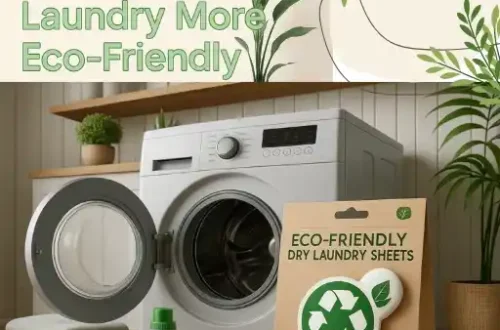
- From my own routine, I’ve learned that washing doesn’t always need to take 2 hours at 60º to get clothes adequately clean. A quick wash cycle at a lower temperature can still handle everyday laundry while using less water and less time.
- Choosing a shorter spin cycle helps reduce wear and damage, meaning your clothes can last longer without losing quality. Small choices like these make a big difference when you want to save energy without sacrificing results.
- I also prefer to switch to a cold wash with cold water at 30°C whenever possible. It not only keeps fabrics fresh but also reduces energy demand compared to heating water unnecessarily.
- By combining a smart wash cycle with a thoughtful approach to water temperature, you cut down on both electricity use and wasted resources. This habit proves that even the simplest shift in how we wash can deliver long-term savings and help you Save Energy at Home.
Use a Smart Power Strip
Saving energy at home doesn’t have to be complicated. Here’s how one simple tool can make a big difference in cutting down your bills and power waste.
Why Smart Power Strips Matter
- One of the easiest ways to save energy at home is by using a smart power strip.
- I once caught myself wondering why my bills kept rising even though I would turn off lights at the given time.
- The real offenders were my appliances quietly sitting in standby, also known as vampires or vampire loads.
Smart Simplicity for Everyday Energy Saving
- With such simple bits of tech, you can manage even the sneakiest energy guzzle without constantly reaching behind the TV or fridge.
- Just remember those standby lights aren’t harmless, and a smart power strip helps deal with them in the smartest way possible.
- Another excellent method to Save Energy at Home.
Light up with LEDs
Brighten your home and your savings at the same time. Switching to LED bulbs doesn’t just enhance the glow of your rooms—it transforms how you consume energy. Let’s explore how these small lights make a big impact.
Why LEDs Are a Brilliant Choice
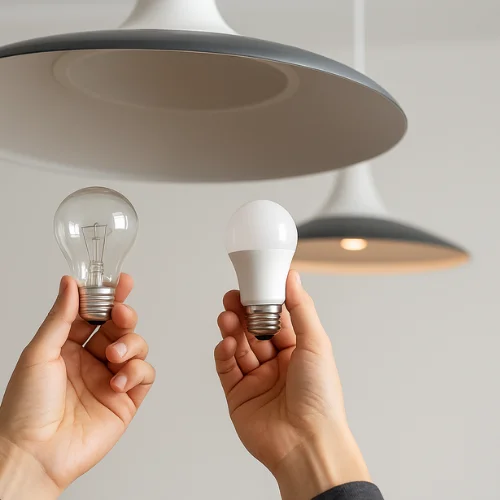
- LEDs provide better brightness while using less energy than traditional bulbs.
- With a lifespan of nearly 20,000 hours, they can last up to 30 years depending on use.
- You can save around £150 a year on energy bills just by switching.
Pairing LEDs with wind-up torches helps reduce battery waste and promotes eco-friendly habits.
WHY STOP AT ENERGY WASTE?
When I first started applying easy methods at home, I realized that small energy-saving tips can turn you into a true waste-preventing warrior. A simple energy-saving checklist helped me lower my household bills and cut down on unnecessary energy consumption.
Over time, I noticed how little things really add up whether it was unplugging unused devices or switching to LED lights. It felt like being on a mission not just to reduce electricity use but also to make my home more mindful and efficient.
But saving energy doesn’t stop there. Just like the milk round encourages a sustainable way of living, I found myself looking beyond power usage finding ways of reducing waste, exploring sustainable packaging, and even making choices that helped with food waste.
Every step made me feel like I was protecting the planet while also keeping my pockets happy. And the best part is, all these habits naturally help you Save Energy at Home.