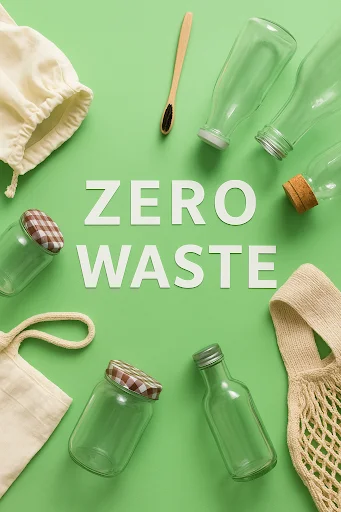
Getting Started with Zero-Waste Living
Starting zero-waste living might feel intimidated at first, especially when access to bulk foods or plastic-free resources seems restricted in your location. From my personal experience, the great thing about the zero-waste movement is that you don’t have to do everything right now.
You can take gradual, mindful steps every day to reduce waste, without spending extra money. Even small changes, like reusing containers, swapping plastic for reusable bags, or buying bulk options when possible, can make a huge impact on waste reduction over months.
The key is to focus on what you can do with the resources you already have. Your daily choices, from new things you bring home to how you reduce packaging, directly influence your income and spending habits while supporting plastic-free alternatives. Whether you live in a big city or a remote location, there’s always a way to start participating in the zero.
Beginning your zero-waste journey
When I first began my zero-waste journey, I quickly realized that changing habits and consumption patterns doesn’t require a complete lifestyle overhaul overnight. The key is to identify areas where waste generation is high and focus on small, realistic steps to see trash minimized. I started recording simple information about my daily routines, compiling lists, and taking notes on where I throw most items.
By keeping a record of recurring patterns, I could understand my behavior and slowly adjust my lifestyle. For many people, starting from zero can feel overwhelmed, but breaking the idea into manageable tasks keeps stress and frustration low. Even a short walk to run errands weekly or mindful grocery shopping can make a difference.
Choosing where to shop, what to buy, and considering packaging products, trash, bags, recycling, and containers helps implement practical methods for change. Techniques like composting at home, whether vermicomposting or Bokashi, bring life to old food scraps while teaching real system thinking.
I also drew inspiration from Bea Johnson and other proponents of the system based on the three R’s, Refuse, Reduce, Reuse, Recycle, Rot—which aligns with the Zero Waste International Alliance concept. Understanding that even big changes start with small steps helped me focus on zero waste in energy usage, measuring carbon footprint, and identifying areas to reduce consumption. Tools like the EPA Calculator provide insights into environmental impact and help plan actions to reduce it further.
Simple adjustments like turning off lights in a room, choosing car or public transport options, and rethinking consumption habits became routine. Implementing practices like reusing newspaper to clean windows, converting tin cans to planters, upcycling or downcycling clothes, creating DIY bags or rags, and integrating activities into expanded parts of life helped me realize and implement sustainable choices while enjoying the process.
Easy ways to go zero waste – The basics
One thing I learned is that you don’t need sophisticated tools or expensive products. Start with easy ways to go zero waste, like using reusable containers, shopping second-hand, or repurposing items at home. The key is consistency and making small changes that feel natural, so over time, you naturally build habits that reduce waste and support a more sustainable lifestyle. The process is gradual, enjoyable, and empowering when you see real progress.
Reusable bags
From my experience, one of the easiest ways to start going zero-waste without spending extra is to ditch plastic bags and switch to reusable shopping bags. I always carry extra totes in my car or set a reminder on my phone so I never forget to bring them when I go to the grocery store.
For those quick trips, foldable Chico Bag options are perfect because they skip the hassle of remembering bulky bags while still letting you use reusable bags every day.
When I buy groceries, I often load produce directly into my reusable bags, which are not only a replacement for plastic but also a bonus that helps keep fresh produce longer. Over time, using reusable shopping bags for everyday use becomes second nature, and it’s amazing how much waste you can prevent with just a few simple habits. Bringing extra totes also gives peace of mind for unexpected stops, making zero-waste living practical and effortless.
Reusable water bottles
When I first stepped into the zero waste journey, I realized that one simple swap made a huge difference. Almost everyone I know seems to carry their own water bottle these days, and for good reason.
Using a bottle you already own is a great start, because it helps you never feel the need to buy another disposable plastic bottle again. It’s a small step, but nonetheless, it makes a lasting impact.
I personally keep mine on hand in my bag wherever I go. Having it ready not only saves money but also keeps me mindful of how easy it is to live more sustainably. It may feel like a small habit at first, but over time, it becomes second nature and that’s the beauty of beginning with something so simple.
Reusable containers
From my own zero-waste lifestyle journey, I’ve learned that the small choices we make daily can become the real cornerstone of change. One simple swap was how I stored my food instead of buying new plastic boxes, I started using what I already had. Old glass jars, empty mason jars, or even a sturdy stainless steel box became my go-to.
I keep some in the cabinet for dry goods and others in a cooler for packed lunch. The trick is to choose reusable containers that last, can be washed multiple times, and are even recyclable when their life ends.
I’ve also noticed that many local shops will happily let you bring your own containers to the store, which saves money and cuts down on unnecessary plastic. Personally, I like alternating between glass and steel depending on what I need to carry. Over time, this habit not only kept my kitchen organized but also helped me avoid buying extra packaging, making zero-waste living both simple and affordable.
BYOU (Bring Your Own Utensils)
Whenever I go on outings with friends or family, I make sure to bring my own bamboo utensils and small containers. It may sound simple, but these tools are incredibly handy when ordering takeout or enjoying a quick picnic.
Instead of relying on disposable cutlery or single-use plastic, I’ve learned to carry my own cutlery set everywhere. Not only does this help me reduce waste, but it also saves money since I don’t need to buy extra packs of throwaway items. Interestingly, pulling out reusable items often becomes a conversation starter. People get curious when they see how easy it is to live zero waste without spending more.
I’ve even had strangers ask where I got my bamboo set! Over time, these little choices make a big impact proof that small, budget-friendly steps can truly change habits while keeping daily life practical and stylish.
The zero-waste lifestyle
The zero-waste lifestyle is not just a trend but a growing movement that inspires people worldwide to live with less. I first came across Bea Johnson through her book Zero Waste Home, published in 2013 and translated into 25 languages, and it completely shifted my perspective. Her guidance and tips introduced me to the 5Rs principle Refuse, Reduce, Reuse, Recycle, Rot a simple yet powerful approach to lower your carbon footprint.
Another inspiring figure is Lauren Singer, whose mason jar filled with a year’s worth of tiny trash became iconic on social media. Both Johnson and Singer show that different approaches to lifestyle choices can help a consumer drastically reduce what they produce at home without extra spending.
In my own experience, I learned that front-facing movements like these are more than a cause; they create a community of zero wasters who share advice, practical approaches, and sometimes even challenges. At first, I found it challenging to shift habits, but seeing how other users around the world adopt such lifestyle choices made it easier.
Whether it’s avoiding single-use items or finding creative ways to reuse, the movement encourages people to rethink everyday decisions. Over time, I discovered that these small actions don’t just reduce waste but also connect you to movements that genuinely generate change.
Benefits
For consumers like me, the real difference I feel today is how simple reducing the waste I once generated daily has become with small practical tips. By choosing zero-waste products and keeping in hand habits like buying bulk, I’ve learned to save money while making smarter choices.
In many cases, it just takes little shifts in how we focus on what we use, from recyclables to solid goods, and thinking about the lifecycle of each item before it ends up in a recycling bin.
What makes it even more fun is sharing this journey on social media, bringing the concept of zero-waste to more people around the world, showing how everyday choices can inspire change.
How to go zero waste on a budget
When I first started exploring zero-waste living, I quickly realized that thrift stores and second-hand shopping are absolute game-changers. Platforms like Thred Up, Posh mark, and De pop allow you to buy and sell lightly used Clothing at a fraction of the usual cost, making it easy to find unique pieces.
The resources available for shopping second-hand are endless, and I love discovering hidden gems that add style without breaking the bank. It’s a plus to know you’re giving these items a new life while sticking to a budget.
When it comes to home décor, Instagram has become one of my best resources for finding second-hand treasures. Larger items are often available for local pick or even ship directly from stores that offer convenient options.
I spend hours searching popular hashtags like #thriftfinds, #thriftyfinds, and #thriftshop to discover everything from classic novel vinyl that can brighten my day, to perfect second-hand media from Amazon, eBay, Dis cogs, or Good Reads, and even little neighbor hood library finds that are always on-trend.
For gifts, Etsy is my go-to resource; it’s full of thrift items ranging from art to home décor. Everything between countless artists is there to explore, making it a perfect place to find a gift for a love done while staying true to zero-waste principles.