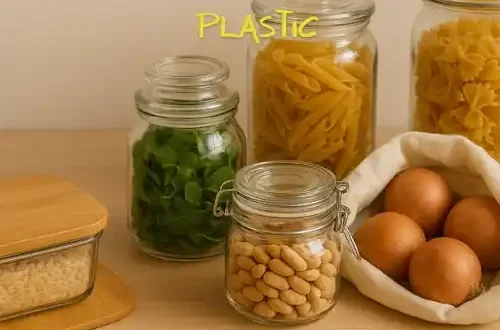

When I first realized my kitchen was the heart of my home, I also noticed it was the largest source of household waste. From excess packaging to single-use items and wasted food, it felt almost impossible to manage. But that’s no reason not to try. Making small, simple changes can have a BIG impact on sustainable living.
By practicing mindful consumption and using what we already have, we can make better choices without feeling like we must run out of things to buy. The truth is, progress happens slowly, with one change at a time, and that’s a new way of doing life without being overwhelmed.
Every budget-friendly swap toward a sustainable kitchen doesn’t always require a big investment. At first, I thought it would be expensive, but over time I began to save money in the long run and reduce a lot of waste.
I’ve even kissed frogs when trying products that didn’t work, but those experiments led me to the right choices for both my wallet and the planet. It just makes sense that when we align habits with values, we create a lifestyle that feels natural, affordable, and rewarding.
How Can I Make My Kitchen Zero Waste?
Making a 100% zero waste kitchen may sound overwhelming, but it’s really about reducing single-use items and choosing simple budget-friendly swaps that fit your lifestyle. I remember when I first tried going plastic-free, I thought it would be expensive, but the truth is, many low-waste alternatives are actually cheaper and last significantly longer.
For example, I started to buy bulk pantry staples like grains, nuts, and spices and kept them in containers I already had at home. This helped me avoid plastic packaging and made my kitchen feel so much easier to manage. Instead of paper products, I switched to cloth towels and napkins they’re reusable, absorbent, and can be washed countless times while still holding their charm.
One of my favorite changes was learning to compost food scraps instead of throwing them in the bin. Things like fruit and veggie peels, coffee grounds, and eggshells turned into excellent, nutrient-rich soil for my garden. I also began to shop groceries with reusable bags that are sturdier and keep me from contributing to the millions discarded each year.
Even better, I love to repurpose glass jars from sauces and jams into clean storage, drinking glasses, or even little planters for herbs they’re surprisingly versatile and reduce the need for buying new containers. These budget-friendly swaps have become my easiest steps toward a low-waste kitchen, and they feel just as natural as any other daily habit.
Use Reusable Grocery Bags
One of the biggest waste sources in the kitchen comes from plastic bags, which are still a common sight in every grocery store. These disposable options may seem convenient, but they pile up quickly and are rarely easy to recycle properly.
I remember keeping a separate bin just for bags, and most of them never made it to recycling because they weren’t clean or dry enough. That’s when I decided to switch to something more durable and effective.
Now, I always invest in reusable grocery bags made from sturdy fabric like cotton or canvas. These can be washed, reused multiple times, and I keep a few in my car near the door so I can grab them on my way out.
Many stores offer discounts for bringing your own bags, which means you end up reducing waste while also saving money. With this simple change, I not only cut down on plastic but also felt good knowing I could reduce clutter in my home.
Switch to Reusable Food Containers
I used to rely on disposable plastic containers for storing leftovers and packing lunches, but I quickly realized they were a common source of kitchen waste. Once I started switching to reusable food containers made from glass, stainless steel, or silicone, it felt like an easy, effective way to reduce waste without changing my routine too much.
These options are durable, often microwaveable, and can be washed and reused often, which makes them perfect for daily use in various sizes and shapes to fit storage needs.
From my own experience, I now buy bulk, bring snacks on the go, and rely on just a few good quality containers that truly help save money in the long run.
Instead of constantly buying disposable products that end up in a landfill, investing in long-lasting pieces has been a game-changer. It’s not just practical it feels good knowing my choices reduce both waste and spending.
Reusable Straws Instead of Plastic Straws
When I first tried to go plastic-free, the easiest budget-friendly swap I made was replacing plastic straws with reusable straws. I had kids and even toddlers around who loved smoothies, so it felt like a surefire product to start with.
At parties or when going out, I always carried a bag with a few types of reusables from silicone straws to metal straws to ensure no one reached for single-use ones. The convenience of simply having them on hand was a great option, and over time I could really see how that small change made a good impact.
I even experimented with different kinds like pasta, wheat straws that can be composted, and fun shapes for the kids. I once received a lot of attention when someone saw me using a decent set of straws at a café. Some were curious, asking for an example of what they could choose to start with.
My advice? Pick what fits your needs whether you want sturdy metal straws for smoothies or flexible silicone straws for boba. You’ll probably don’t even use the single-use kind anymore, and while at first it may feel different, you’ll soon make it a habit and notice just how well it goes with your zero-waste way of living.
Reusable Food Covers Instead of Aluminum Foil
One small habit that changed my kitchen was how I handled wrapping leftovers. I used to reach for aluminum foil without thinking, but then I tried reusable food covers made of silicone. These lids are stretchy, washable, and form a tight seal over bowls and plates without adding waste.
Unlike thin plastic wraps that can’t always be recyclable and often lead to contamination of food, these covers let me skip the hassle of wondering if I could technically recycle them. Many people still reach for disposable options, but I’ve learned that investing in durable kitchen items reduces both clutter and trash.
Another budget-friendly swap that surprised me was switching to plastic ice cube trays instead of constantly buying wrapped bags of ice, which always felt wasteful. I chose reusable, non-toxic versions made from stainless steel and silicone, and they’ve lasted me years in different shapes that make daily routines easier.
These small budget-friendly swaps not only support eco-friendly living but also keep countless items out of the landfill. Plus, having reliable trays means my drinks stay cool without the waste, proving that every mindful budget-friendly swap really does add up.
DIY Cleaning Products Instead of Conventional Cleaners
When I first realized how many store-bought cleaning products were piling up under my sink, I noticed the plastic bottles, single-use wipes, and harsh chemicals were not only wasteful but also harmful for my family.
Switching to a simpler, greener budget-friendly swap felt natural because I wanted something sustainable, non-toxic, and truly budget-friendly swap. It amazed me how companies continue to push products filled with ingredients we don’t really need, when in fact you can make your own solutions with just a few wonderful basics.
Now, I keep vinegar, baking soda, lemon juice, and even pine needles handy, often blending them with essential oils for freshness. There are also several supplies you can purchase as refills in reusable containers, which is far more cost-effective and far less wasteful.
In your kitchen, this is making a small change with some real impact why not come up with blends that feel personal? As in your everyday routine, a homemade mix can be just as powerful, if not better, than what you’d often get in shops.
Beeswax Wraps Instead of Plastic Wrap
I used to rely on plastic wrap for almost everything, but I quickly realized this flimsy, single-use product was something I would throw away daily without thinking. Not only is it non-breathable and bad for the planet, but it also made my food spoil faster than expected.
The day I tried my first budget-friendly swap with beeswax wraps, I could instantly see the difference—they felt natural, looked beautiful, and gave me the satisfaction of choosing a sustainable alternative to plastic wrap and is also budget-friendly swap.
Now, my kitchen feels more mindful. These wraps keep food fresh and can be used over and over for years. Many are even compostable at the end of their life, making them waste-free from start to finish.
I’ve tried different brands, and one from a small hive-based business truly felt like bringing nature into my home. Each time I cover leftovers or snacks, I know I’ve made a choice that supports the planet without sacrificing convenience.
Compost Your Food Scraps
In every kitchen, food waste can become a significant source of problems if we keep throwing scraps in the trash. I realized this when I saw how much could actually be saved by composting instead of discarding.
This natural process of breaking down organic material transforms what once looked useless into nutrient-rich soil. In my own backyard, I set up a small compost bin, and it surprised me how quickly it reduces daily waste and provides a free boost of fertilizer for the garden.
What I enjoy most is how this habit additionally cuts greenhouse gas emissions by diverting waste away from landfills. The difference is visible not only in the lighter trash bags but also in healthier plants. Every handful of compost feels like proof that simple budget-friendly swaps create long-term impact without costing extra.
Use Cloth Dish Towels Instead of Paper Towels
In my kitchen, I once relied heavily on paper towels, thinking they were just a common item for quick cleanups. But over time, I realized they had become a major source of waste, especially since these disposable sheets pile up fast.
Replacing them with cloth dish towels completely changed the game. They are durable, easily washed and reused many times, making them not just practical but also eco-conscious.
What surprised me most is how these towels come in various colors and designs that can match any decor, adding a small touch of charm to daily chores.
By simply choosing cloth instead of buying endless rolls, I found myself reducing clutter and saving real money that I was once wasting on buying stacks of disposables. This small budget-friendly swap proves that sustainable living can be stylish and budget-friendly at the same time.
Wooden or Metal Cutting Boards
That’s when I shifted toward Wooden bamboo cutting boards they’re not only sustainable but also budget-friendly swap. With proper care, they can last years, and I personally love how the Wood gives a rustic stylish touch to my countertop.
I used to rely heavily on Plastic cutting boards, but over time I noticed they wear quickly and release microplastic particles into my food. While they may seem convenient, they’re far from durable and don’t align with a zero-waste lifestyle.
For tougher kitchen tasks, I’ve also experimented with Metal boards. Though less common, they’re ultra-durable, completely recyclable, and once you’re done, they don’t leave waste behind.
Unlike plastic, both wooden and metal options feel like long-term partners in the kitchen. Choosing wisely between these budget-friendly swaps not only reduces waste but also makes cooking more enjoyable and sustainable in the long run.